Introduction
In the digital age, creativity alone is no longer enough to succeed as an artist. While talent and passion remain essential, financial understanding has become a critical skill for long-term stability. Today’s artists must learn how to manage money, use digital platforms, and turn creative work into reliable income streams.
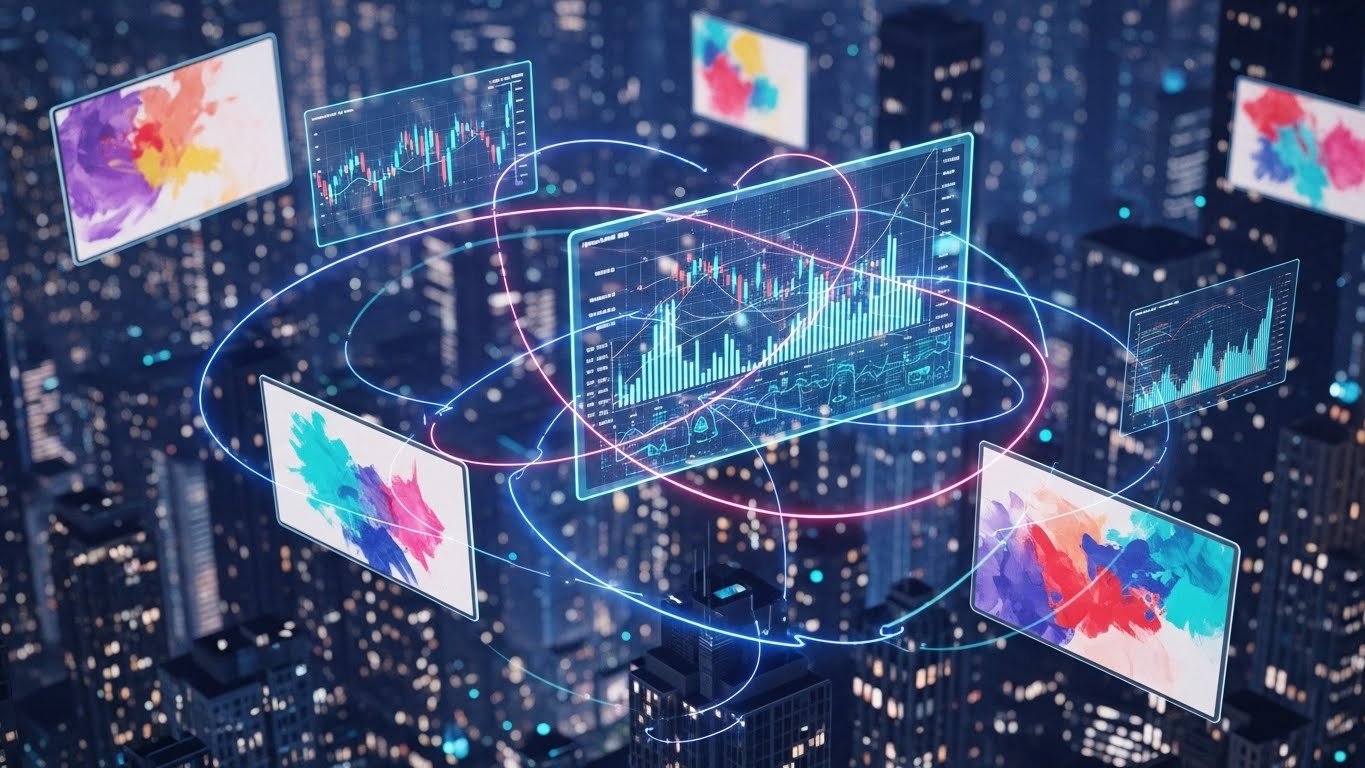
The combination of finance and arts allows artists to gain independence, scale their careers, and protect their creative future. This article explains how creative professionals can achieve financial freedom by applying smart financial strategies in the modern digital world.
The Changing Role of Artists in the Digital Economy
Traditionally, artists depended on galleries, agencies, or physical events to earn income. However, the digital economy has completely changed this model. Artists can now work independently, reach global audiences, and control their pricing.
Digital platforms have empowered artists to:
- Sell directly to customers
- Build personal brands
- Create recurring income streams
- Reduce reliance on middlemen
With this freedom comes responsibility, making financial planning more important than ever.
Multiple Income Streams for Creative Artists
One of the most important financial principles is diversification. Artists who rely on a single income source face higher financial risk. Creating multiple income streams increases stability and growth.
Common income streams for artists include:
- Freelance services (design, animation, illustration)
- Digital product sales (templates, prints, presets)
- Online teaching and tutorials
- Subscription-based content and memberships
A diversified income approach helps artists stay financially secure during slow periods.
Pricing Art with Confidence and Strategy
Many artists struggle with pricing their work. Undervaluing creative services can lead to burnout, while overpricing can limit opportunities. Financial awareness helps artists find the right balance.
Smart pricing strategies include:
- Calculating time, effort, and expenses
- Researching market rates
- Offering tiered pricing packages
- Adjusting prices as skills and demand grow
Confident pricing reflects professionalism and supports sustainable income.
Budgeting and Financial Planning for Artists
Budgeting is often overlooked by creatives, yet it is one of the most powerful financial tools. A simple budget allows artists to track income, manage expenses, and plan future investments.
Key budgeting practices:
- Separate personal and business finances
- Track monthly income and expenses
- Set savings goals
- Plan for irregular income
Good financial habits reduce stress and improve decision-making.
Investing in Personal Branding and Marketing
In the digital world, visibility is essential. Financially smart artists invest in marketing and branding to increase reach and income.
Effective investments include:
- Professional websites and portfolios
- Search engine optimization (SEO)
- Social media promotion
- Email marketing and paid ads
Marketing is not an expense; it is an investment that brings long-term returns.
Financial Protection and Risk Management
Artists often work as freelancers or independent creators, which means financial protection is crucial. Understanding risk management helps creatives protect their income and assets.
Important steps include:
- Building an emergency fund
- Understanding contracts and payments
- Planning for taxes
- Diversifying income sources
Financial protection allows artists to focus on creativity without constant financial worry.
The Impact of Technology on Creative Finance
Technology continues to shape how artists earn and manage money. Digital payments, online marketplaces, and AI tools have simplified financial processes.
Technology helps artists:
- Receive international payments
- Automate invoicing and tracking
- Analyze income performance
- Expand into new digital markets
Artists who embrace technology gain a strong financial advantage.
Why Financial Freedom Matters for Artists
Financial freedom gives artists control over their time, creative choices, and career direction. When financial pressure is reduced, creativity flourishes.
Finance supports:
- Long-term career sustainability
- Creative independence
- Personal growth and learning
- Freedom to choose meaningful projects
The balance between creativity and financial stability is the key to a successful artistic life.
Conclusion
Creative artists can achieve financial freedom by understanding and applying basic financial principles. In the digital age, the connection between finance and arts is stronger than ever. Artists who manage money wisely, invest in themselves, and adapt to new technologies are more likely to succeed.
By treating art as both a passion and a profession, creatives can build stable, profitable, and fulfilling careers in the modern digital economy.