Introduction
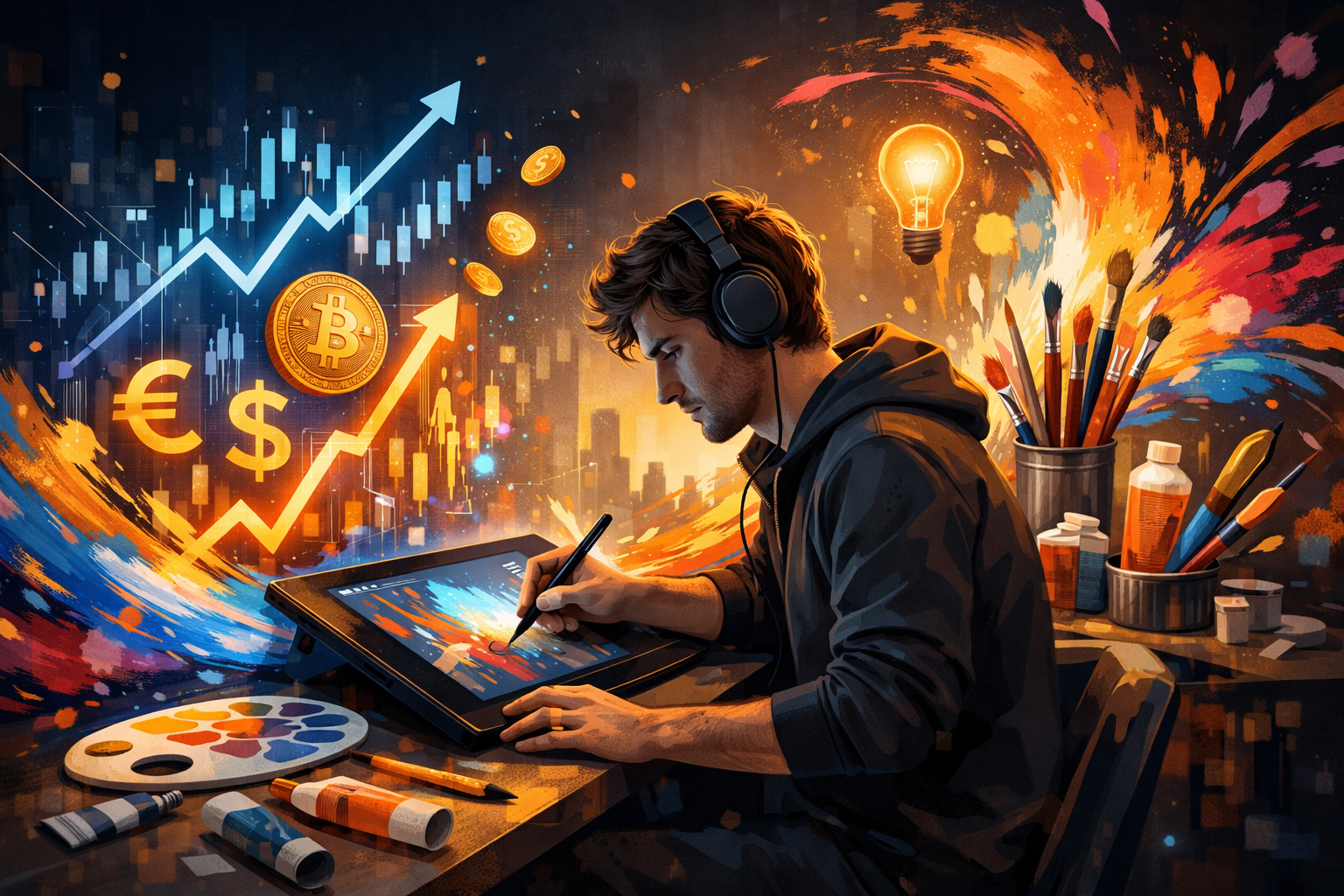
In today’s digital age, the gap between finance and arts is rapidly disappearing. Artists are no longer limited to galleries or exhibitions. With the help of financial knowledge, digital tools, and online platforms, creative people can now turn their passion into a sustainable income. Understanding finance is becoming just as important as creativity itself.
This article explains how finance supports the arts, how artists can earn money, and why financial literacy is essential for creative professionals.
The Role of Finance in the Arts Industry
Finance plays a crucial role in the growth of the arts industry. From budgeting and funding to pricing artwork, every creative field depends on financial planning.
Artists need finance for:
- Managing expenses and profits
- Investing in tools, software, and education
- Marketing and promoting their work
- Scaling creative projects into businesses
Without proper financial management, even the most talented artists may struggle to succeed.
Digital Art and Online Income Opportunities
The internet has opened new financial opportunities for artists. Digital art, graphic design, illustration, and animation are now global markets.
Popular ways artists earn online:
- Freelancing platforms (design, illustration, animation)
- Selling digital art and prints
- NFTs and blockchain-based art
- YouTube, social media, and content creation
By combining artistic skills with smart financial strategies, artists can build long-term income streams.
Financial Skills Every Artist Should Learn
Many artists fail not because of a lack of talent, but because of poor financial knowledge. Learning basic finance can change everything.
Important finance skills for artists:
- Budgeting and expense tracking
- Pricing artwork correctly
- Saving and reinvesting profits
- Understanding taxes and online payments
These skills help artists stay financially stable and grow professionally.
Investing in Creativity
Finance is not only about earning money; it is also about investing wisely. Artists who invest in better tools, education, and marketing often see higher returns.
Examples of smart investments:
- Design software and equipment
- Online courses and skill development
- Website and personal branding
- Paid advertising and SEO
Treating art as a business helps creatives achieve financial freedom.
Why Finance and Arts Are the Future
The future belongs to people who can combine creativity with financial intelligence. Industries like AI art, NFTs, digital media, and online education are growing fast. Artists who understand finance can adapt quickly and take advantage of new trends.
Finance gives artists control, while art gives finance creativity and innovation. Together, they create sustainable careers.
Conclusion
Finance and arts are no longer separate worlds. In the modern digital economy, artists must understand finance to survive and grow. With the right financial planning, creative people can turn their art into a profitable and lasting business.
By learning finance, embracing digital platforms, and investing in themselves, artists can achieve both creative satisfaction and financial success.