Introduction
The modern art world is evolving at an unprecedented pace, thanks to technology. Artists today are no longer confined to traditional media like canvases, brushes, or galleries. Digital tools, software, and online platforms allow them to create, share, and monetize their work globally.
Technology has become both a medium and a catalyst for creativity, enabling artists to explore new forms, reach wider audiences, and generate sustainable careers.
This article explores how modern artists are leveraging technology, the benefits it brings, and the future of digital art.
Technology as a Creative Tool
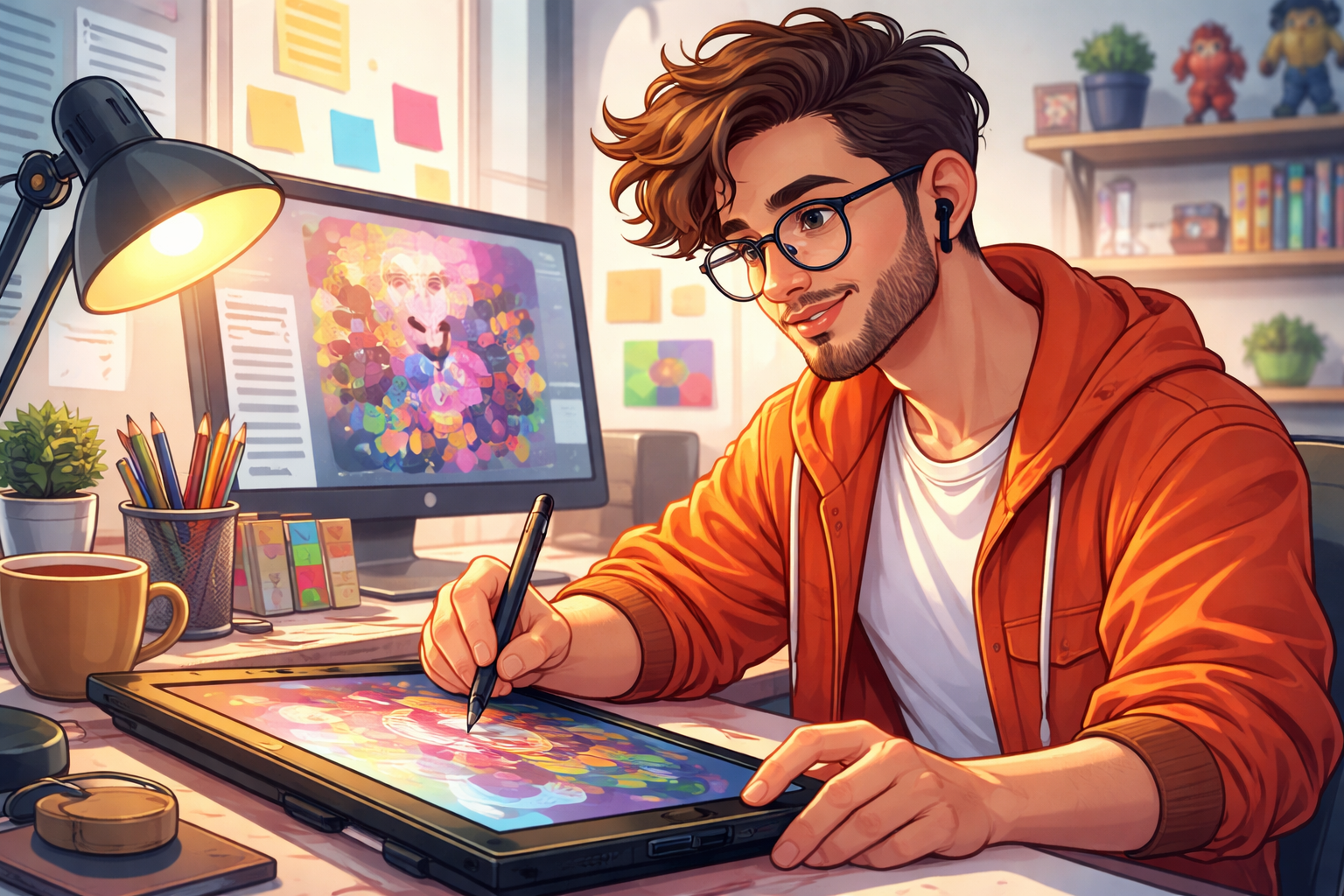
Digital tools have revolutionized the way artists work. From graphic tablets to design software, technology allows creators to experiment with forms, colors, and techniques without limits.
Benefits of technology for artists include:
- Experimentation without material constraints
- Efficient creation and editing
- Integration with multiple art forms
- Collaboration with other creatives worldwide
Technology empowers artists to push the boundaries of their imagination.
Online Platforms and Global Exposure
Artists today can showcase their work to a global audience instantly. Social media, online marketplaces, and personal websites provide the exposure that was once limited to galleries or exhibitions.
Online platforms help artists:
- Build personal brands
- Connect directly with collectors and fans
- Sell artwork digitally or physically
- Gain international recognition
This global reach democratizes art and makes it accessible to anyone.
Digital Art and New Forms of Expression
Digital art opens new avenues for creative expression. Artists can now explore animation, interactive installations, 3D modeling, and AI-assisted art.
Digital creativity allows:
- Dynamic and immersive storytelling
- Unique visual experiences
- Innovative use of multimedia
- Artistic experimentation at low cost
The flexibility of digital art encourages artists to innovate and explore.
Monetizing Digital Creativity
Technology also provides financial opportunities for artists. By understanding online monetization and financial management, creatives can turn passion into a sustainable career.
Common digital income streams include:
- Selling digital artwork and prints
- Freelance services in design, animation, or illustration
- Content creation on social media or YouTube
- NFT marketplaces and online licensing
Financial literacy combined with digital tools allows artists to grow both creatively and economically.
Challenges in the Digital Art World
Despite the opportunities, technology introduces challenges for artists. Competition is high, originality is essential, and constant adaptation is necessary.
Challenges include:
- Oversaturation in online art markets
- Protecting intellectual property
- Maintaining visibility and engagement
- Keeping up with evolving digital tools
Artists who remain adaptable and consistent can overcome these hurdles.
The Future of Technology in Art
The future of art is increasingly digital. Emerging technologies like augmented reality (AR), virtual reality (VR), and AI-generated art are transforming how art is created, experienced, and sold.
The future may include:
- Immersive virtual galleries and exhibitions
- AI-assisted creative processes
- Personalized and interactive art experiences
- Integration of art into daily digital life
Artists who embrace technology early will be at the forefront of innovation.
Conclusion
Modern technology is reshaping the art world, providing tools, platforms, and financial opportunities that were unimaginable a decade ago. Artists who understand and embrace digital tools can expand their creativity, reach global audiences, and establish sustainable careers.
By combining traditional artistic skills with modern technology, creatives can redefine the boundaries of expression and shape the future of art.