Introduction
Art has always been a powerful form of human expression, but in the digital age its influence has grown stronger than ever. Technology has changed how art is created, shared, and experienced. Today, artists are no longer limited to traditional spaces such as galleries and exhibitions. Digital platforms allow creativity to reach global audiences instantly.
This article explores the role of art in the modern creative era, how digital tools have transformed artistic expression, and why art remains essential in today’s world.
The Evolution of Art in the Digital Age
The digital revolution has reshaped artistic practices. Traditional art forms now coexist with digital illustration, animation, multimedia design, and interactive art. Artists can experiment freely using modern tools and software.
Digital technology has enabled:
- Faster creation and editing
- Unlimited experimentation
- Global exposure for artists
- New forms of creative storytelling
Art has become more accessible, dynamic, and innovative.
Digital Platforms and Artistic Visibility
Online platforms play a major role in promoting art today. Social media, websites, and digital marketplaces allow artists to showcase their work without intermediaries.
Digital platforms help artists:
- Build personal brands
- Connect directly with audiences
- Share art instantly worldwide
- Monetize creativity independently
This visibility has empowered artists and expanded creative opportunities.
The Role of Creativity in Modern Society
Art is not only about aesthetics; it plays a deeper role in society. Creativity inspires innovation, communicates emotions, and reflects cultural identity.
Art contributes to:
- Emotional expression and storytelling
- Cultural awareness and preservation
- Social connection and dialogue
- Creative problem-solving
In a fast-paced digital world, art provides meaning and inspiration.
Technology as a Creative Tool
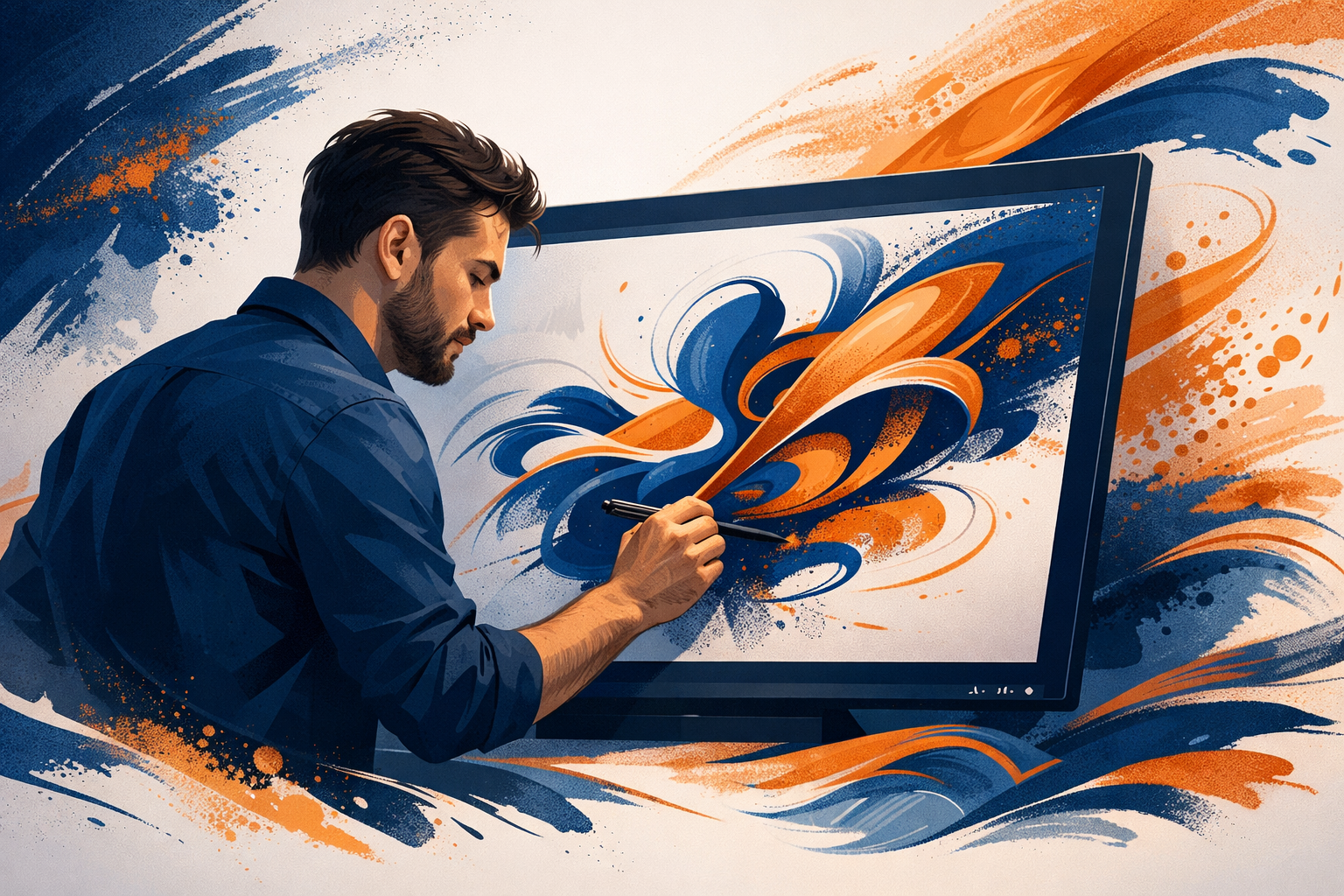
Modern technology has become a powerful artistic tool. Digital tablets, design software, and creative apps allow artists to explore new styles and techniques.
Technology enables:
- Precision and efficiency
- Creative freedom and experimentation
- Collaboration across borders
- Integration of art with multimedia
Artists who embrace technology expand their creative potential.
Art as a Sustainable Career
The digital era has transformed art into a viable profession. Artists can now generate income through multiple channels while maintaining creative independence.
Popular income opportunities include:
- Digital art sales and licensing
- Freelance creative services
- Online tutorials and courses
- Content creation and brand partnerships
Art is no longer just a passion—it can be a sustainable career.
The Balance Between Creativity and Discipline
Successful artists combine creativity with discipline. While inspiration fuels art, consistency and structure support growth.
Discipline helps artists:
- Improve skills continuously
- Meet deadlines and commitments
- Build professional credibility
- Maintain long-term creative focus
This balance leads to artistic and professional success.
The Future of Art in the Digital World
The future of art lies in innovation and adaptability. Emerging trends such as AI-assisted art, digital exhibitions, and immersive experiences are reshaping creative expression.
Artists who stay open to change can:
- Explore new creative formats
- Reach wider audiences
- Build long-term relevance
- Lead creative innovation
Art will continue to evolve with technology.
Conclusion
Art remains a powerful force in the digital creative era. Technology has expanded artistic possibilities, increased visibility, and created new career paths for creatives. Despite constant change, the core purpose of art—expression, connection, and inspiration—remains the same.
By embracing digital tools and staying true to their vision, artists can thrive creatively and professionally in the modern world.