Introduction
In the modern digital era, the relationship between finance and arts has become stronger than ever before. Artists are no longer limited to traditional spaces like galleries, theaters, or exhibitions. With the rise of digital platforms, financial tools, and global online markets, creative individuals now have the opportunity to turn their artistic skills into profitable businesses.
Understanding finance is no longer optional for artists. Whether it is managing income, investing in tools, or marketing creative work, financial knowledge plays a key role in long-term success. This article explores how finance supports the arts, how artists can generate income, and why financial literacy is essential in today’s creative economy.
How Finance Supports the Growth of the Arts
Finance acts as the foundation of the arts industry. Every creative project, whether digital or physical, requires funding, budgeting, and financial planning. From purchasing equipment to promoting artwork, finance enables artists to bring their ideas to life.
Artists rely on finance for:
- Buying creative tools and software
- Funding personal and commercial projects
- Managing cash flow and profits
- Expanding creative work into businesses
Without proper financial management, artists may struggle to maintain consistency, even if their work is highly creative and valuable.
Digital Transformation of the Arts Industry
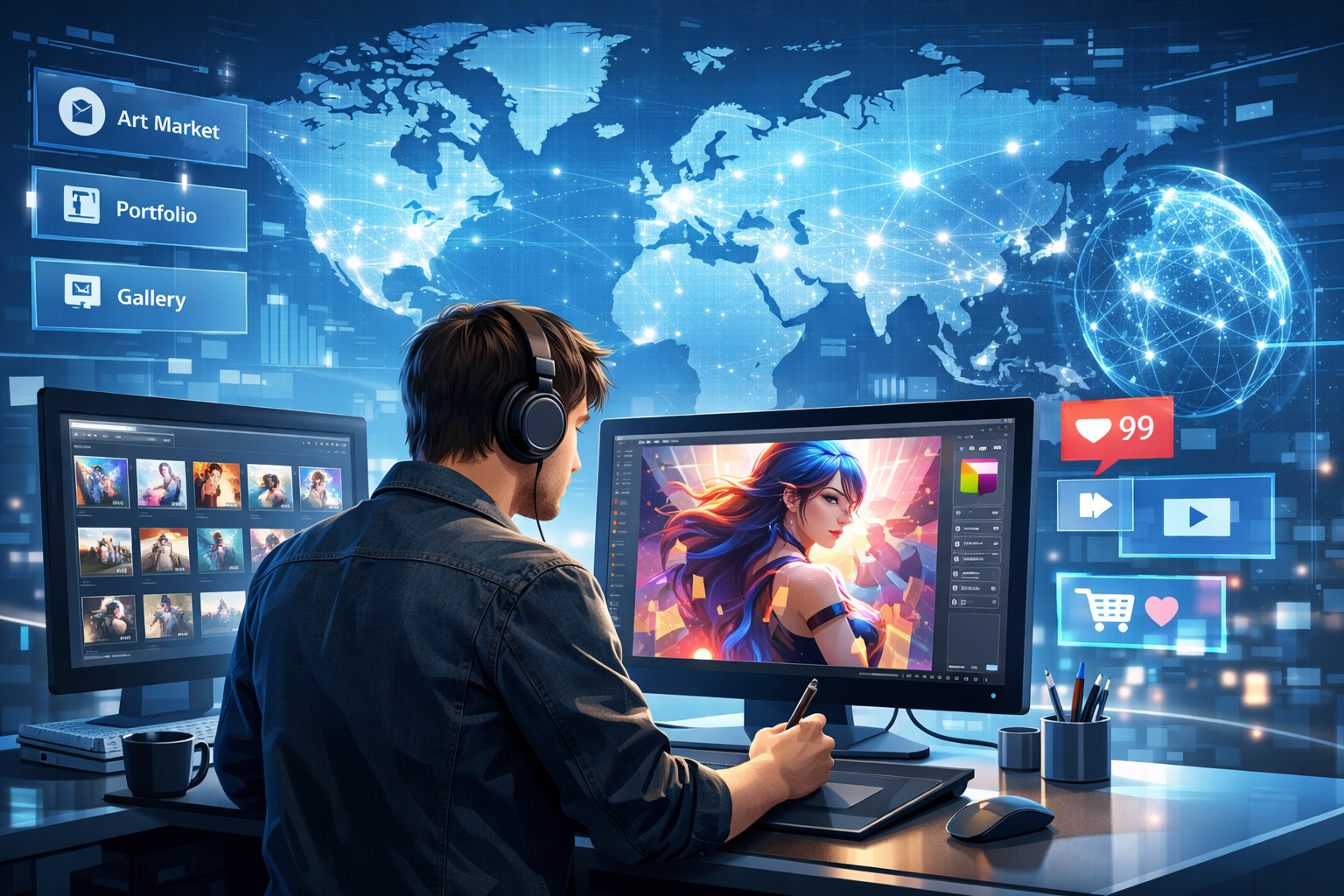
The digital revolution has completely transformed how art is created, shared, and sold. Today, digital art, animation, graphic design, and multimedia content are in high demand across the world.
Online platforms have removed geographical barriers and created global earning opportunities. Artists can now sell their work instantly and receive payments digitally. This shift has made financial awareness even more important, as online income requires proper planning, pricing, and reinvestment.
Online Income Opportunities for Artists
The internet has created multiple income streams for creative professionals. Artists who understand finance can diversify their earnings and build sustainable income models.
Popular online income sources include:
- Freelancing services such as design, illustration, and animation
- Selling digital products like prints, templates, and art assets
- NFT marketplaces and blockchain-based art
- Social media monetization and content creation
By combining creativity with smart financial decisions, artists can reduce risk and increase stability.
Financial Literacy: A Must-Have Skill for Artists
Many talented artists fail financially not because of a lack of creativity, but due to poor financial management. Financial literacy helps artists take control of their income and expenses.
Key financial skills every artist should learn:
- Budgeting and monthly expense tracking
- Proper pricing of artwork and services
- Saving profits and reinvesting income
- Understanding taxes, invoices, and digital payments
These skills help artists build confidence, stability, and long-term growth.
Investing in Creative Skills and Tools
Finance is not only about saving money; it is also about investing wisely. Artists who invest in themselves often achieve better results over time.
Smart investments for artists include:
- High-quality software and creative tools
- Skill development through courses and workshops
- Personal websites and online portfolios
- Marketing strategies such as SEO and paid advertising
Treating creative work as a business allows artists to grow professionally and financially.
The Rise of AI, NFTs, and Digital Innovation
New technologies are shaping the future of finance and arts. AI-generated art, NFTs, and digital marketplaces are opening new creative and financial possibilities.
Artists who stay informed about these trends can:
- Reach new audiences
- Create innovative art formats
- Earn passive income through digital ownership
- Build long-term digital assets
Financial knowledge helps artists evaluate risks and opportunities in these emerging fields.
Why Finance and Arts Are the Future
The future belongs to individuals who can balance creativity with financial intelligence. Creative industries are growing rapidly, and artists who understand finance can adapt faster to changes.
Finance provides structure, sustainability, and growth, while art brings innovation, emotion, and creativity. Together, they create powerful and sustainable careers in the digital world.
Conclusion
Finance and arts are deeply connected in today’s digital economy. Artists who understand financial planning, online income, and smart investments can transform their passion into long-term success.
By learning financial skills, embracing digital platforms, and investing in creativity, artists can achieve both artistic fulfillment and financial freedom. The combination of finance and arts is not just the future—it is the present.